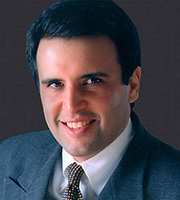
LASIK is an acronym for Laser In-situ Keratomileusis, which simply means “to shape the cornea from within”. In LASIK, the Excimer laser is used to reshape tissue from the center of the cornea rather than its surface (as in Epi-Lasik). Either a laser or an instrument known as a microkeratome is used to raise a partial-thickness flap of corneal tissue. The flap is then lifted and the laser is applied. After 30-90 seconds of laser treatment, the flap is then replaced without the necessity for stitches.
Upon arriving at the office, patients receive a small dose of a relaxant pill. An hour or so is spent measuring the eyes before the procedure. Upon entering the laser suite, the patient reclines in the laser chair. Anesthetics and antibiotic drops are instilled. There is no intravenous or need for general anesthesia (need to be put to sleep).
Under the laser, the patient is asked to concentrate on a red blinking light. A retainer is then placed to assist in keeping the eye open. During the actual procedure, the patient feels pressure and the red light is lost for less than a minute.
The patient is asked to stare at the blinking red light again once it returns. As the laser fires, a ticking sound is heard that lasts 10-90 seconds.
After the laser is completed, the retainer is removed, and the patient is asked to sit up. Upon sitting, there is some improvement in vision noted.
The patient is asked to return home and get plenty of rest for several hours following the procedure. The following morning there is a substantial improvement in vision. However, the vision continues to incrementally improve for weeks.


Immediately after LASIK surgery, your vision will still be a little blurry but already improved. The morning after LASIK, you will see a significant improvement in your vision. A postoperative checkup is generally scheduled 1-day post-surgery, where you are advised not to wear makeup and avoid getting any foreign objects in your eyes. Drops are used several times daily for 1-3 weeks following the procedure. You will have several exams to assess the healing and progress over the next several months.
One of the most frequently asked questions regarding post-op LASIK is, “how quickly can I get back to work after LASIK?,” and the answer is often surprising: most people are back to their regular routine within a day or two of having had their LASIK procedure complete. Recovery time is minimal and Dr. Moadel will ensure that your LASIK recovery process is as brief and least inconvenient as possible.
LASIK in New York City is a popular elective vision care procedure that can possibly reduce your dependence on glasses and contact lenses. For many patients, Dr. Moadel feels that CustomVue technology (also referred to as Wavescan technology) offers his patients the best option for laser vision correction. Wavefront Technology is also commonly called Custom LASIK eye surgery. Essentially, wavefront technology involves taking a “digitized” image of the patient’s eye including the corneal contour. These measurements are made at a computer station known as the Wavescan. A Wavescan image is analogous to taking a digital photograph of the eye. These digital images are then transferred to the laser where a unique treatment can be created tailored to the patient’s eye shape.
Wavefront 4 Wavefront technology enables the physician to measure and correct unique imperfections in a patient’s eye. Many of these subtle imperfections could not be measured nor corrected before the introduction of this technology. Studies have shown that Customvue improves the sharpness of vision and decreases possible nighttime side effects.
However, the decision of whether or not to use CustomVue technology is complex and varies from individual to individual. During your evaluation here at our center in New York, you will receive a thorough eye examination, during which Dr. Moadel can direct you to which treatment would be best for your individual eyes.


Dr. Moadel is a New York City LASIK surgeon and LASIK vision correction expert with New York LASIK centers midtown Manhattan. If you are seeking LASIK in Manhattan please feel free to contact Dr. Moadel today to learn more about LASIK eye surgery and the experience of the staff and physician.
Dr. Ken Moadel has been specializing in LASIK surgery for over 20 years and has performed over 100,000 procedures. Patients have traveled from Europe, South America and as far as Japan just for his expert care and experience. Dr. Moadel is committed to providing quality patient care and accordingly, a high percentage of patients are found not suitable candidates.
Disclaimer: The intent of this website is to educate users about eye care. Information found on this website is not intended to replace medical advice. Questions about treatment information should be addressed by your physician.
– Bernie Williams
New York Yankees Star Centerfielder


Compared to wearing glasses and contact lenses for over 5-10 years LASIK is actually a great value. We are dedicated to providing affordable, quality eye care and offer special payment plans to fit most budgets. Our LASIK Coordinator will be happy to discuss these financing options and what this will cost on a monthly basis. Enrollment is often very easy!
We have a variety of payment options designed to make this decision more of a reality for all of our prospective patients.
CareCredit – LASIK eye surgery financing Care Credit has very easy to use healthcare financing. You can contact care credit with one of our LASIK coordinators or you can call them directly at 800-859-9975.